
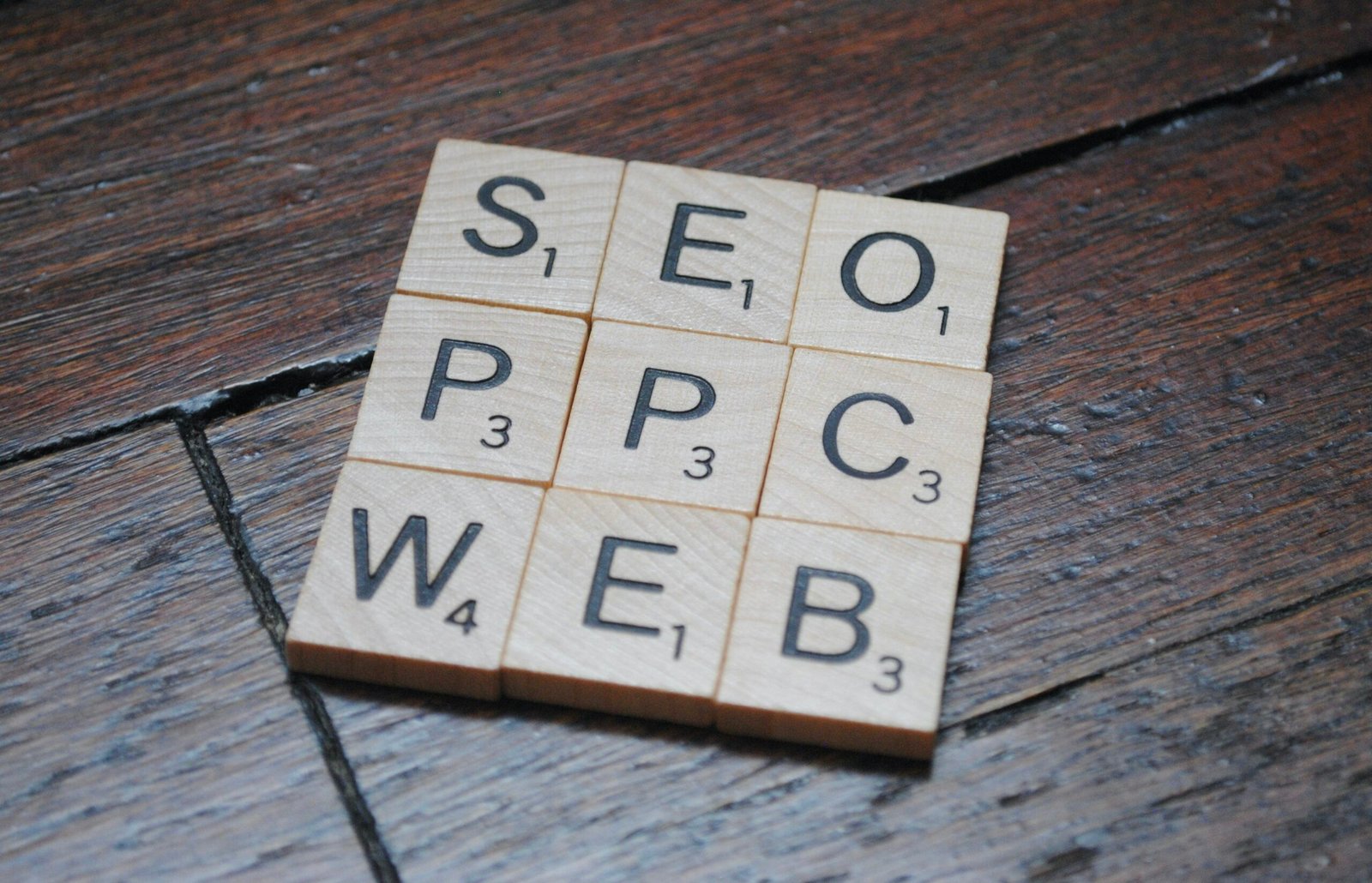
Understanding SEO and PPC
Search Engine Optimization (SEO) and Pay-Per-Click (PPC) advertising serve as two foundational pillars in the realm of digital marketing. Each approach functions independently yet can complement one another when implemented correctly. Understanding the nuances of both strategies is crucial for businesses seeking to enhance their online presence.
SEO refers to the practice of optimizing a website to improve its visibility in organic search engine results. This multi-faceted process involves various techniques, including keyword research, content creation, link building, and technical optimization. The primary goal of SEO is to attract traffic from users who are actively searching for relevant information, products, or services. By ensuring that a website is relevant and authoritative, businesses can organically enhance their search performance, leading to greater exposure and potential customer engagement.
On the other hand, PPC advertising involves a model where advertisers pay for each click on their ads, usually displayed at the top or bottom of search engine results pages. This approach provides immediate visibility as ads are prominently placed, but it requires continuous investment. Advertisers can target specific keywords, demographics, and locations to reach their desired audience effectively. PPC campaigns are often tailored to drive traffic quickly, generating leads or sales in a relatively short time frame.
While SEO focuses on long-term growth and organic rankings, PPC offers a means of achieving rapid results. Businesses can benefit from both strategies by using SEO to build a solid foundation for their website and utilizing PPC to supplement their efforts and achieve immediate visibility. Understanding the interplay between these two avenues is essential for formulating a comprehensive digital marketing strategy that leverages the strengths of both SEO and PPC.
The Benefits of SEO Beyond PPC
Search Engine Optimization (SEO) offers several long-term advantages that significantly outweigh the immediate benefits provided by Pay-Per-Click (PPC) advertising. While PPC campaigns can drive instant traffic and visibility, investing in SEO can enhance a business’s online presence in a more sustainable manner. One of the key benefits of SEO is its cost-effectiveness. Once established, organic search results can generate traffic without the ongoing costs associated with PPC advertising. This draws a clear distinction between the two strategies—PPC requires continuous financial input, whereas a strong SEO strategy can yield lasting results with minimal investment after the initial setup.
Furthermore, SEO tends to attract more organic traffic over time. Users trust organic results more than paid advertisements, and they are more likely to click on search results that are ranked naturally. This makes SEO not just a tactic for drawing visitors but also a pathway to more engaged and relevant audiences. As your site climbs the ranks of search engine results, the likelihood of conversion increases significantly. In contrast to temporary PPC gains, a solid foundation in SEO can provide a continuous stream of traffic.
Brand credibility is another considerable benefit associated with SEO. Businesses that rank high in organic search results are considered authoritative and trustworthy. This establishment of authority can lead to better customer relationships and loyalty. Unlike PPC ads that can often be dismissed as mere promotional efforts, organic search results resonate with users seeking reliable information. Thus, a comprehensive SEO strategy not only enhances visibility but also contributes to building a reputable brand in the long run.
How SEO Complements PPC Campaigns
In today’s digital marketing landscape, the interplay between Search Engine Optimization (SEO) and Pay-Per-Click (PPC) advertising is increasingly vital for businesses aiming to enhance their online presence. SEO and PPC serve distinct purposes, yet they are interrelated in ways that can significantly boost the effectiveness of digital marketing strategies. Properly integrating SEO can yield enhanced performance and lower costs in PPC campaigns.
One of the primary advantages of utilizing SEO alongside PPC is the improvement in overall visibility. When a business invests in optimizing its website through SEO, it not only aims for improved organic search rankings but also enhances the performance of its PPC ads. For instance, relevant keywords that are effective in both SEO and PPC can drive targeted traffic, thereby increasing the potential for click-through rates (CTR). A higher CTR reflects a more compelling ad alongside a well-optimized landing page, which together can result in better ad positioning at a lower cost per click.
Moreover, the data derived from SEO efforts can inform and optimize PPC campaigns. By observing which keywords generate organic traffic and which keywords rank well in SEO, marketers can strategically select keywords for their PPC ads that are likely to perform better based on historical performance. This not only boosts the effectiveness of the campaigns but helps in managing budgets more efficiently. Additionally, brand awareness is another benefit that arises when a business appears in both organic and paid search results. This dual exposure fosters consumer trust and lends credibility to the brand, ultimately encouraging more clicks.
Incorporating SEO strategies into more comprehensive PPC campaigns allows marketers to leverage insights about audience behavior, search patterns, and preferences. Consequently, this synergy not only aids in optimizing current campaigns but also provides a foundation for future digital marketing endeavors, creating a holistic approach that can drive sustained growth over time.
Measuring Success: SEO vs. PPC
In the competitive landscape of digital marketing, measuring the success of SEO (Search Engine Optimization) and PPC (Pay-Per-Click) strategies is essential for making informed decisions. Businesses need to track specific metrics that provide insights into the performance of their online marketing efforts. Both SEO and PPC have distinct metrics, yet there are overarching key performance indicators (KPIs) that can be used to evaluate their effectiveness.
For SEO, metrics such as organic traffic, keyword rankings, and domain authority are pivotal. Organic traffic refers to visitors arriving at a website through unpaid search results, which directly reflects the effectiveness of SEO strategies. Monitoring keyword rankings helps businesses understand how well their content is optimized for search engines, while domain authority provides a glimpse into the website’s credibility within its industry. Additionally, measuring click-through rates (CTR) from organic search results helps gauge the appeal of page titles and meta descriptions.
PPC, on the other hand, relies on different metrics to assess success. Key metrics for PPC include cost-per-click (CPC), conversion rate, and return on ad spend (ROAS). CPC indicates how much a business pays for each click on their advertisements, providing insight into the efficiency of the ad spend. The conversion rate—how many clicks result in desired actions—serves as a critical measure of how well the PPC campaign is converting visitors into customers. Furthermore, ROAS calculates the revenue generated for every dollar spent on advertising, offering a clear picture of the financial impact of the PPC initiative.
Ultimately, the effectiveness of marketing strategies, whether through SEO or PPC, hinges on the accurate tracking and analysis of these metrics. By regularly reviewing these KPIs, businesses can make data-driven adjustments to their strategies, optimizing their performance in the digital marketplace. Both SEO and PPC have their unique strengths and challenges; however, through proper measurement, they can work synergistically to enhance overall online visibility and profitability.